
Why Your Meals Aren’t Keeping Your Kids Full
Dinner is done, the plates are finally cleared, and you sit down for what feels like the first second all evening…
And then almost like clockwork, you hear it:
“Mom… can I have a snack?”
There’s always that moment where you pause and think,
"how are you hungry already? You literally just ate."
If you’ve felt that frustration before, you’re not alone.
When It Feels Like Nothing “Sticks”
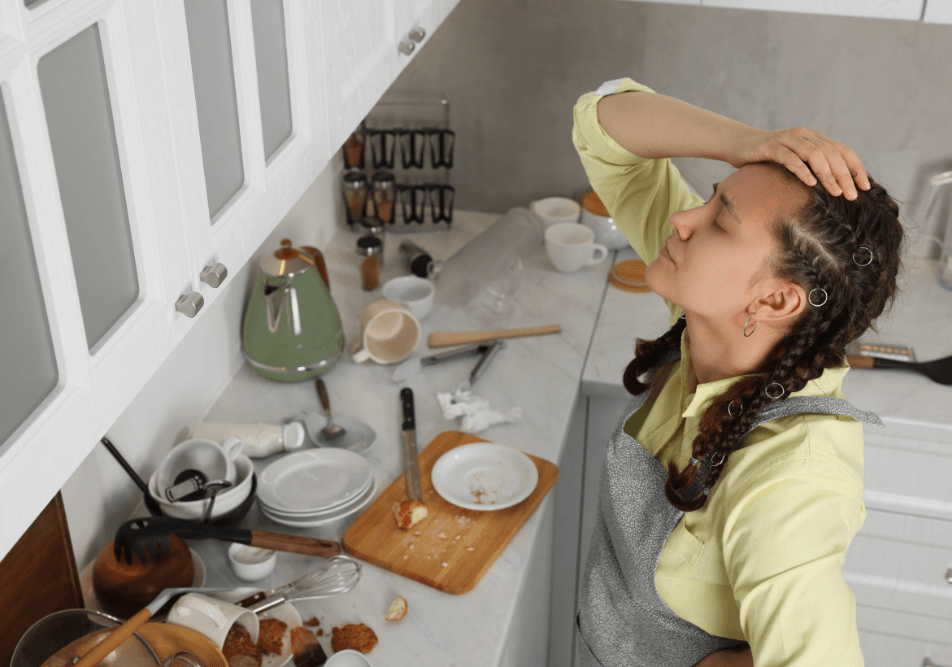
For a long time, this felt confusing.
No matter what was served or how much was eaten, it didn’t seem to last. It felt like we were constantly circling back to food, constantly negotiating snacks, and constantly wondering what we were doing wrong.
It’s easy to assume:
“They’re just growing.”
“They’re going through a phase.”
“This is just what kids do.”
And sometimes that’s part of it.
But over time, something became clearer:
It wasn’t that they were always hungry.
It was that the meals weren’t actually keeping them full.
Why Some Meals Don’t Last Very Long
This isn’t about doing something wrong.
It’s about how many meals naturally come together in real life, especially on busy nights.
A typical dinner might look like:
Pasta with a quick sauce
Chicken fingers and fries
Something from a box
A fast, simple meal to get everyone fed
And those meals absolutely serve a purpose.
But many of them are built in a way that provides quick energy, without much staying power.
They often include:
Carbohydrates that digest quickly
Less protein than we realize
Minimal healthy fats
So even though everyone feels full right after eating…
That fullness doesn’t last very long.
What Happens Next (And Why It Makes Sense)
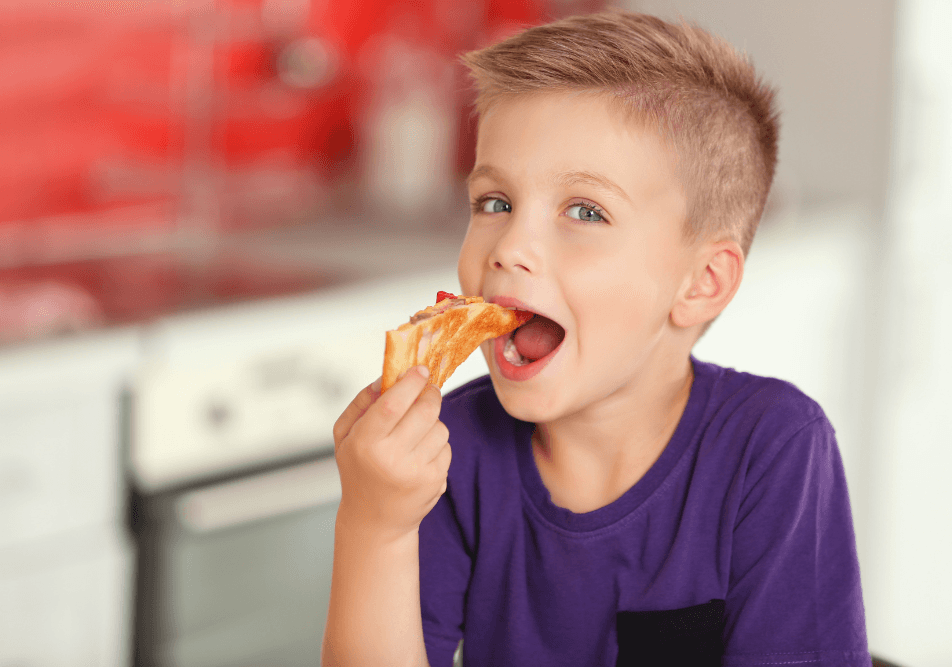
When meals digest quickly, the body moves through that energy just as quickly.
Which leads to:
Energy dropping sooner
Hunger returning faster
More frequent snacking
So when kids come back asking for food not long after dinner, it’s not random.
It’s a response.
And when you start looking at it this way, it shifts everything.
A Small Shift That Changes the Pattern
Once you understand what’s happening, it stops feeling frustrating, and starts feeling workable.
Instead of asking:
“Why are they always asking for snacks?”
You start asking:
“What did that meal actually include?”
And more importantly:
“Did it have what they needed to stay full?”
What Helps Meals Feel More Satisfying
The good news is this doesn’t require a complete overhaul.
Most of the time, it’s not about doing more.
It’s about slightly adjusting what’s already there.
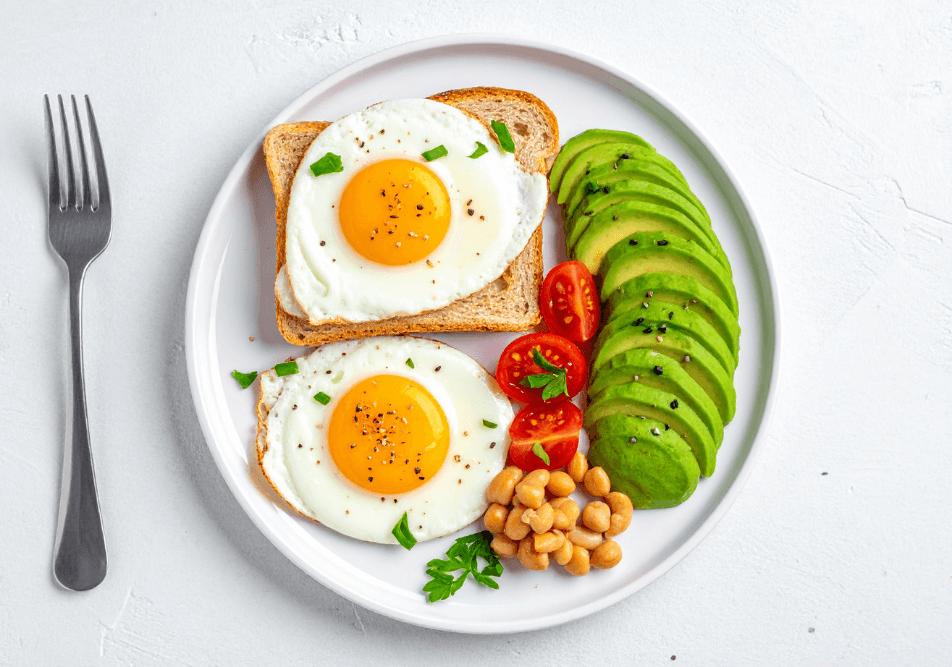
Meals that tend to keep kids fuller longer usually include a combination of:
Protein
Healthy fats
Fiber-rich foods
That might look like:
Adding chicken, eggs, beans, or yogurt
Including foods like avocado, cheese, or olive oil
Keeping some carbs, but pairing them with more substance
These small additions slow things down in the body, helping energy last longer and reducing that immediate return to the kitchen.
Start With Awareness This Week
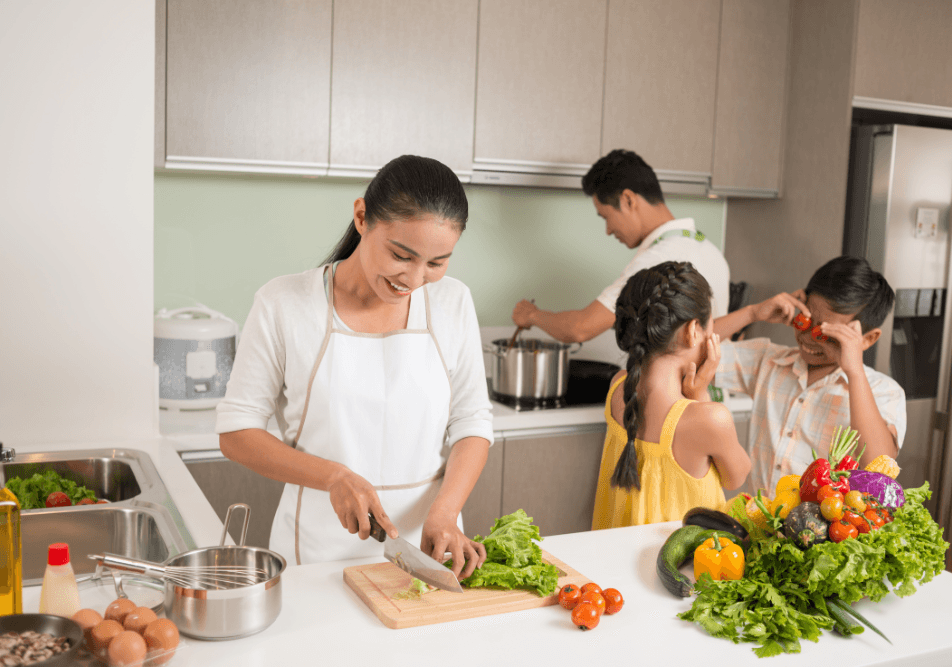
You don’t need to change everything overnight.
This week, just notice.
Notice when your kids ask for snacks.
Notice how long after meals that happens.
Notice what the meal actually looked like.
Because once you start seeing the pattern, it becomes much easier to understand what’s really going on.
And from there, small shifts start to feel natural, not overwhelming.
The Bigger Picture
Feeding a family isn’t about getting every meal perfect.
It’s about learning what works.
Meals that keep kids full aren’t about complexity or perfection.
They’re about balance, consistency, and understanding how food actually supports the body.
And when you begin to see that clearly, everything starts to feel a little easier.
THE UNJUNK CHALLENGE
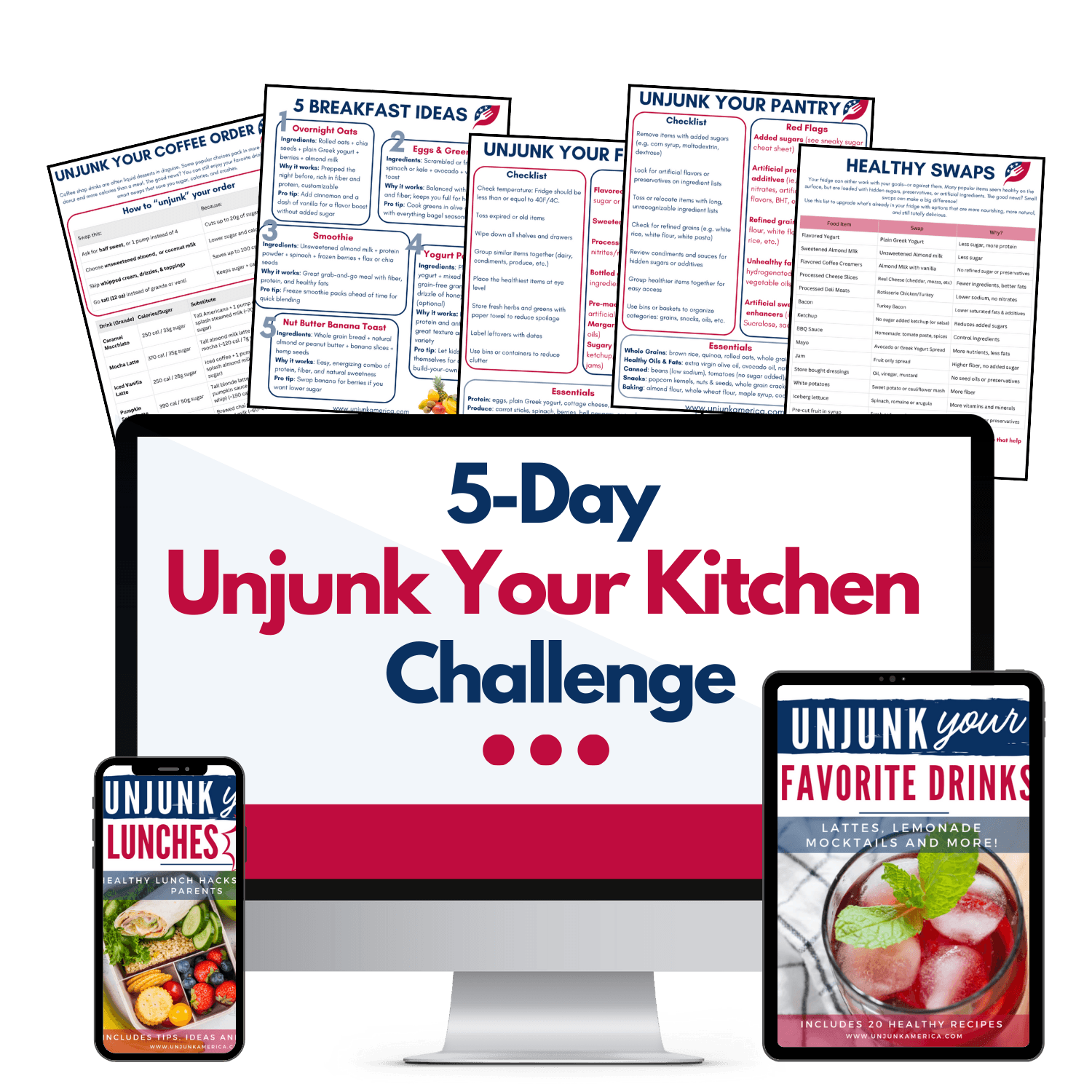
If you’re starting to notice patterns like this around meals and snacks, the 5-Day Unjunk Challenge is a simple place to begin.
Instead of trying to change everything at once, the challenge focuses on small, manageable shifts that help meals feel more satisfying and sustainable for real life.
Inside, you’ll learn how to:
Build meals that actually keep your family full
Spot where ultra-processed foods may be falling short
Make simple adjustments without adding more stress
Create habits that feel realistic during busy weeks
Each day builds on the last, so it feels doable, not overwhelming.
👉 You can join the 5-Day Unjunk Challenge here and start making small changes that make a big difference over time.

Michelle Walker
a mom, nutritionist, health educator, and the founder of Unjunk America - a community dedicated to helping families ditch processed foods, decode food labels, and reconnect with real food. With a warm, no-judgment approach, Michelle empowers parents to make simple, sustainable changes in their kitchens, one meal at a time.
Learn more or join the movement at UnjunkAmerica.com.

