
The Snack Trap: Why Processed Snacks Don’t Keep Us Full
Have you ever noticed how it feels like everyone is constantly hungry these days?
Kids come home from school asking for snacks. Adults reach for something mid-morning, mid-afternoon, and sometimes again after dinner. Pantries are full of snack foods, yet somehow no one ever feels fully satisfied.
It’s not a lack of willpower.
In many cases, it’s the way modern snack foods are designed.
Over the past few decades, the food industry has become incredibly good at creating products that taste amazing but don’t actually keep us full. Many packaged snacks are made primarily from refined carbohydrates, added sugars, flavor enhancers, and highly processed oils.
These ingredients create foods that are easy to eat, highly craveable, and quickly digested.
Which means they leave us hungry again not long after.
This cycle is what we call the snack trap, and once you recognize it, it becomes much easier to step out of it.
Why Many Snacks Don’t Actually Satisfy Hunger
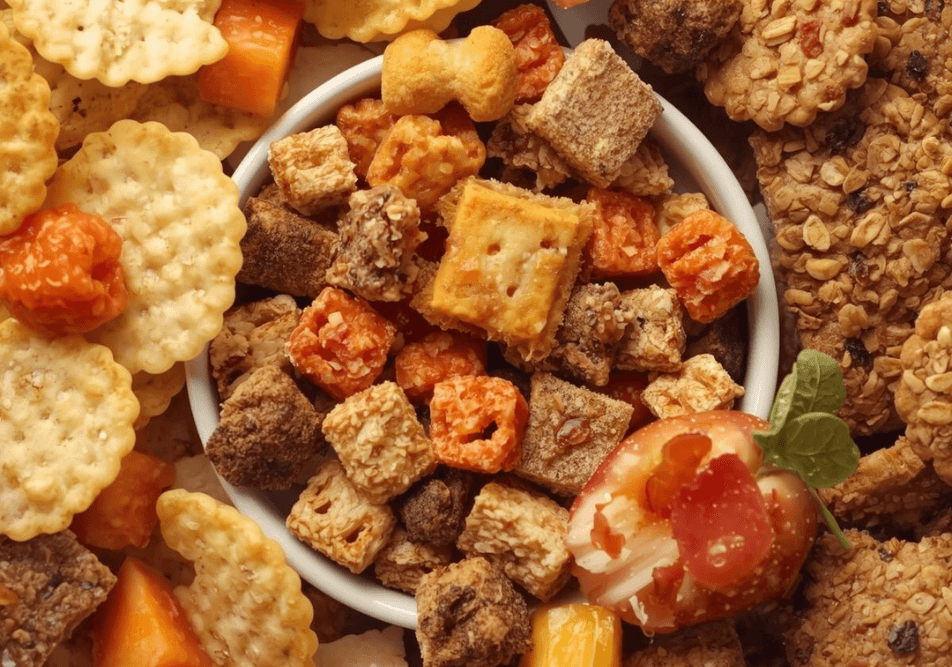
When we eat foods like chips, crackers, fruit snacks, or sugary granola bars, the body breaks those foods down very quickly.
They provide a quick burst of energy, but that energy often fades just as fast.
Instead of keeping us satisfied for a few hours, these foods can cause a quick spike in blood sugar followed by a drop. When that drop happens, our brain begins sending signals that we need more food.
So we reach for another snack.
Then another.
Before we know it, we’ve eaten several snacks but still don’t feel truly satisfied.
This isn’t because we lack discipline. It’s because many of these foods weren’t designed to nourish us in a lasting way.
Why Kids Fall Into the Snack Trap So Easily
Children are especially vulnerable to this cycle.
Many foods marketed directly to kids fall squarely into the snack trap category. Bright packaging promises energy, fun, or nutrition, but when you look closely at the ingredients, they’re often built from the same foundation:
• Refined grains
• Added sugars
• Artificial flavorings
• Highly processed oils
Kids eat them quickly, feel a short burst of energy, and then feel hungry again soon after.
Parents often interpret this as kids simply needing more snacks. But sometimes what they really need is food that actually satisfies their bodies.
What Real Snacks Look Like
The goal isn’t to eliminate snacks completely.
Snacks can absolutely be helpful, especially for growing kids or busy days between meals.
The key difference is choosing foods that contain ingredients the body recognizes and can use well.
Instead of snacks built almost entirely from refined carbohydrates and sugars, aim for snacks that contain some combination of:
• Fiber
• Natural carbohydrates
• Protein
• Nourishing fats
Some simple examples include:
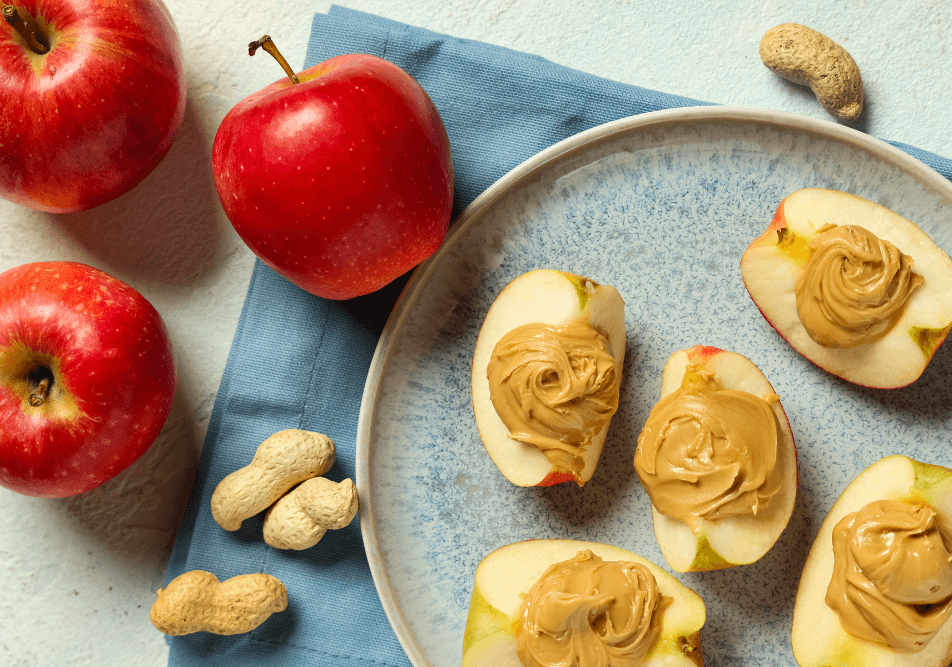
• Apple slices with peanut butter
• Yogurt with berries
• A handful of nuts and fruit
• Cheese with whole grain crackers
• A smoothie made with fruit and milk
These kinds of foods tend to digest more slowly and provide energy that lasts longer.
That means fewer energy crashes and fewer constant trips to the pantry.
Breaking the Snack Cycle at Home
One of the easiest ways to step out of the snack trap is by shifting the kinds of foods that are easily available at home.
Kids (and adults) tend to eat what’s convenient.
If the easiest foods to grab are nourishing ones, those become the default choice.
Small environmental shifts can make a big difference:
• A bowl of fruit on the counter
• Cut vegetables ready in the fridge
• Yogurt and simple protein options within reach
Changes like these often influence eating habits far more than strict food rules ever could.
The Bigger Picture
The modern food environment makes constant snacking feel normal.
But when we start paying attention to how foods actually affect our hunger and energy levels, we begin to notice something important:
Foods that are closer to their natural form tend to satisfy us longer.
Real food doesn’t just fill a craving in the moment.
It helps our bodies feel nourished and steady throughout the day.
And that’s one of the simplest ways to step out of the snack trap.
THE UNJUNK CHALLENGE
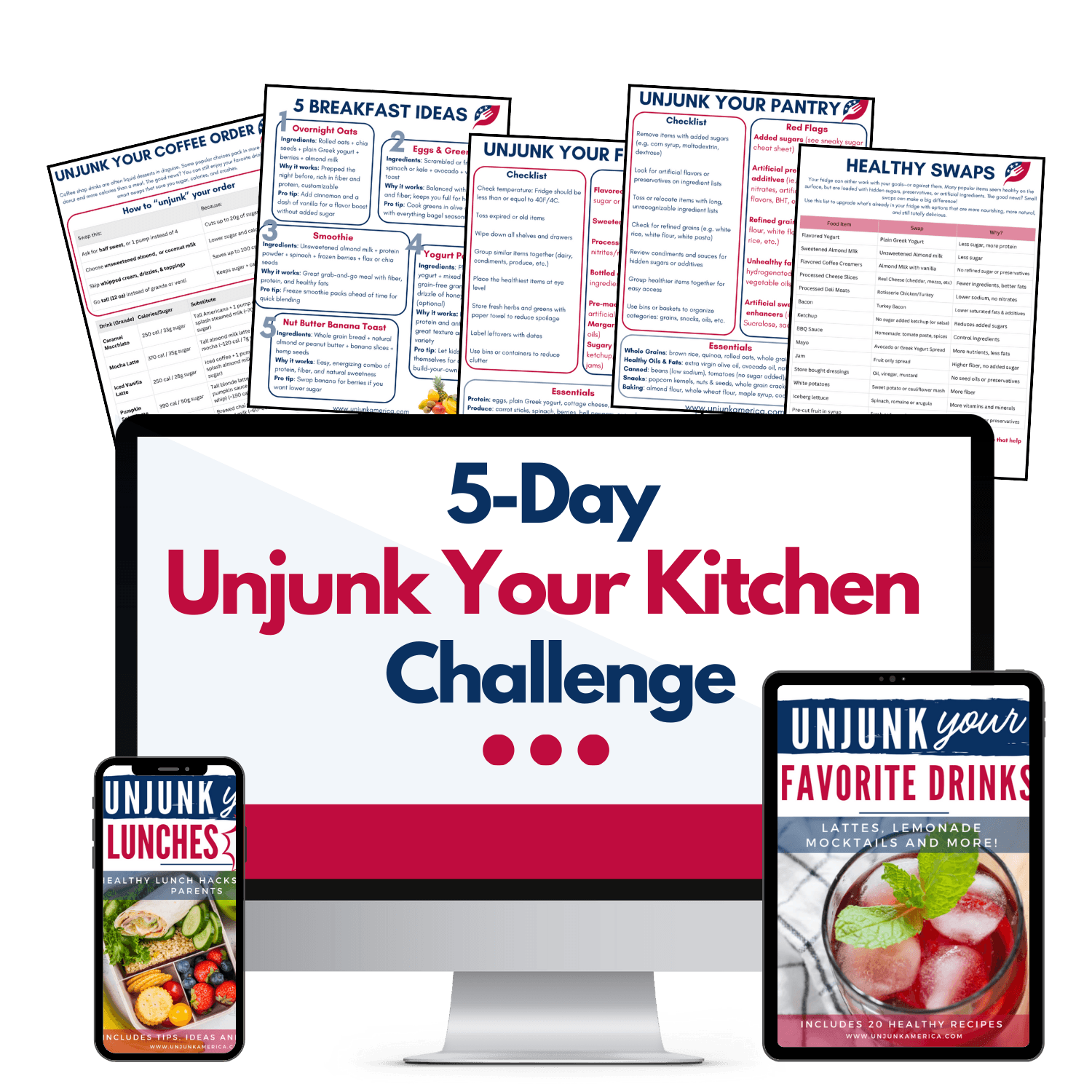
If you’re starting to notice how ultra-processed foods show up in everyday snacks and meals, the 5-Day Unjunk Challenge is a simple place to begin.
Instead of trying to overhaul your entire kitchen, the challenge focuses on small, realistic steps that help families bring more real food back into their routines
.
Inside the challenge, you’ll learn how to:
• Spot ultra-processed foods more easily
• Make simple food swaps that still work for your family
• Build meals and snacks that actually keep you satisfied
• Create small habits that support healthier routines
Each day focuses on one small change, making it manageable even during busy weeks.
👉 Join the 5-Day Unjunk Challenge and start making simple shifts that add up over time.
Because sometimes the biggest improvements in our health don’t come from drastic changes, they come from small choices repeated day after day.

Michelle Walker
a mom, health educator, and the founder of Unjunk America - a movement dedicated to helping families ditch processed foods, decode food labels, and reconnect with real food. With a warm, no-judgment approach, Michelle empowers parents to make simple, sustainable changes in their kitchens, one meal at a time.
Learn more or join the movement at UnjunkAmerica.com.

