
Does Sugar Really Make Kids Hyper? What Parents Need to Know About Food and Behavior
If you've ever watched a room full of kids after birthday cake and ice cream, you've probably wondered if the sugar is making them bounce off the walls.
It's one of the most common beliefs about children's nutrition, and honestly, it's easy to see why. Many of us have witnessed the post-cake chaos firsthand.
But what does the research actually say? And perhaps more importantly, if sugar isn't the whole story, what role does food really play in our children's behavior?
The science might surprise you
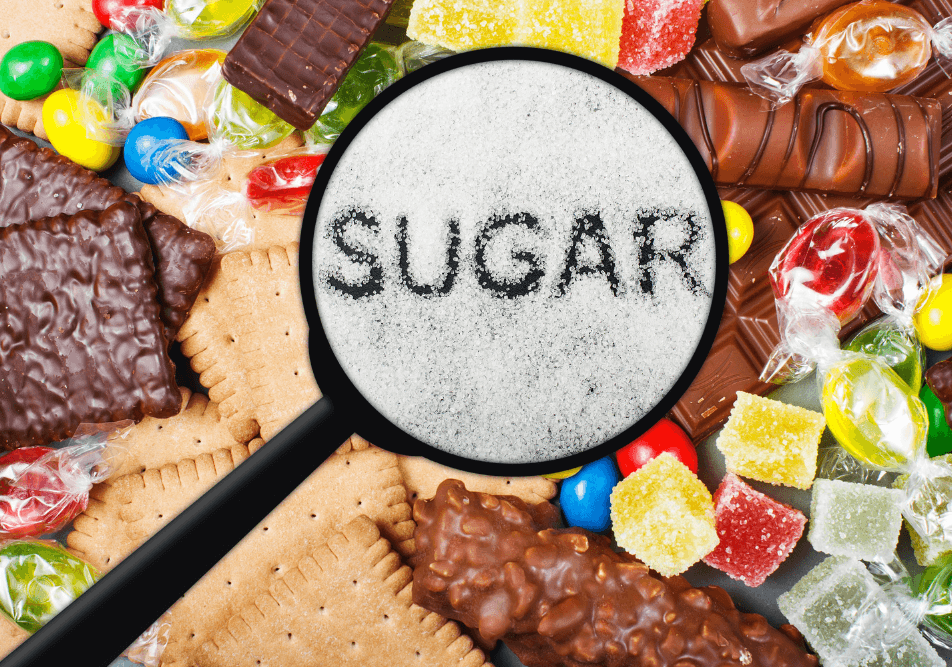
For years, researchers have studied whether sugar directly causes hyperactivity in children.
Interestingly, most studies have found that sugar itself does not appear to cause hyperactivity in the way many people believe. A large review published in JAMA looked at multiple studies and found no significant effect of sugar on children's behavior or cognitive performance.
So does that mean parents have been wrong all these years? Not necessarily.
Why it sometimes looks like sugar is the problem
Think about when children typically eat the most sugar, birthday parties, holidays, school celebrations, sleepovers.
These events are already exciting before the cake even comes out. Kids are surrounded by friends, games, loud environments, and lots of stimulation. It's difficult to know whether the behavior is coming from the sugar or simply from the excitement of the event itself.
As a parent, I think most of us can agree that a room full of excited kids would probably be loud and energetic even without the cupcakes.
But nutrition still matters

This is where I think the conversation gets more interesting.
While sugar may not directly cause hyperactivity, that doesn't mean food has no effect on how our children feel, learn, or behave.
As both a nutritionist and a parent, I'm much more interested in looking at the bigger picture. Instead of asking whether one cookie makes a child hyper, it's more helpful to ask how a child's overall eating pattern affects their energy, mood, focus, and ability to regulate emotions throughout the day.
Looking beyond sugar
Researchers are increasingly studying overall dietary patterns rather than individual foods.
Some studies have found associations between diets high in ultra-processed foods and challenges related to attention, mood, and behavior. Other research has found links between high intakes of sugar-sweetened beverages and symptoms associated with ADHD.
It's important to remember that these studies don't prove that sugar or processed foods cause behavior problems. Children's behavior is incredibly complex and influenced by many factors, including sleep, stress, physical activity, genetics, and family environment.
However, nutrition appears to be one piece of the puzzle.
The blood sugar roller coaster

One thing parents may notice is the effect of blood sugar fluctuations.
When children eat foods that are high in added sugars but low in protein, fiber, and healthy fats, they may experience quick rises and drops in blood sugar. This doesn't necessarily cause hyperactivity, but it can affect how they feel, leading to irritability, difficulty concentrating, increased hunger, energy crashes, or mood swings.
As adults, we've probably all experienced that feeling ourselves after grabbing a sugary snack and then feeling hungry again an hour later.
What I focus on instead
Personally, I try not to stress about the occasional cupcake, ice cream cone, or birthday party treat.
What I pay much more attention to is what my family is eating most of the time. Are we getting enough protein? Are fruits and vegetables showing up regularly? Are meals helping us stay satisfied between snacks? Is most of our diet made up of foods that nourish our bodies and support steady energy?
Those questions matter far more than whether my kids had dessert after dinner.
The bottom line

If you're hoping for a simple yes-or-no answer, the research suggests that sugar alone probably isn't causing the hyperactivity many parents have been led to believe.
At the same time, the takeaway isn't that nutrition doesn't matter.
Food affects energy, hunger, mood, learning, and overall health. While it's only one piece of a much larger picture, it's a piece that parents can influence every single day.
As I continue my studies in health education and nutrition, one thing keeps becoming clearer: food is rarely the only factor affecting behavior, but it's often an important one. Helping our children build healthy habits early is one of the best investments we can make in their future.
References
Wolraich, M. L., Wilson, D. B., & White, J. W. (1995). The effect of sugar on behavior or cognition in children: A meta-analysis. JAMA.
Farsad-Naeimi, A., et al. (2020). Sugar consumption, sugar-sweetened beverages, and attention deficit hyperactivity disorder: A systematic review and meta-analysis.
Neri, D., et al. (2022). Dietary patterns and mental health outcomes in children and adolescents: A systematic review.
Want Steady Energy All Week? Start Here
If this got you thinking about how your family's everyday eating affects energy, mood, and behavior, the easiest place to start isn't an overhaul, it's your next 7 days.
I put together a free 7-Day Unjunked Meal Plan with simple, realistic meals that help keep everyone's energy steady and satisfied, without any extreme changes or complicated rules.

Want Steady Energy All Week? Start Here
If this got you thinking about how your family's everyday eating affects energy, mood, and behavior, the easiest place to start isn't an overhaul, it's your next 7 days.
I put together a free 7-Day Unjunked Meal Plan with simple, realistic meals that help keep everyone's energy steady and satisfied, without any extreme changes or complicated rules.

Michelle Walker
a mom, nutritionist, health educator, author, and the founder of Unjunk America - a community dedicated to helping families ditch processed foods, decode food labels, and reconnect with real food. With a warm, no-judgment approach, Michelle empowers parents to make simple, sustainable changes in their kitchens, one meal at a time.
Learn more or join the community at UnjunkAmerica.com.

