
The Cost of Convenience (And Why It Matters More Than We Think)
Convenience foods exist for a reason.
Life is busy. Families are stretched. Most parents are juggling work, school, activities, and everything in between. When dinner needs to happen fast, convenience can feel like a lifesaver.
And sometimes, it is.
But what I want to talk about today isn’t guilt or “never eating convenience foods again.” It’s understanding the real cost of convenience, because it’s not just about money, and it’s not always obvious.
Convenience isn’t the problem.
Relying on it without realizing the trade-offs is.
The Financial Cost of Convenience

On the surface, convenience foods feel affordable. A frozen meal, packaged snacks, or takeout might seem cheaper than buying a bunch of ingredients.
But over time, those small purchases add up.
Pre-made meals often cost more per serving
Packaged snacks are more expensive than whole ingredients
Takeout once or twice a week quietly becomes a big monthly expense
Families often don’t notice the cost because it’s spread out, a few dollars here, a few dollars there.
Convenience doesn’t just cost more money.
It costs choice, because when food budgets feel tight, it’s harder to pivot toward better options later.
The Energy Cost (This One’s Huge)
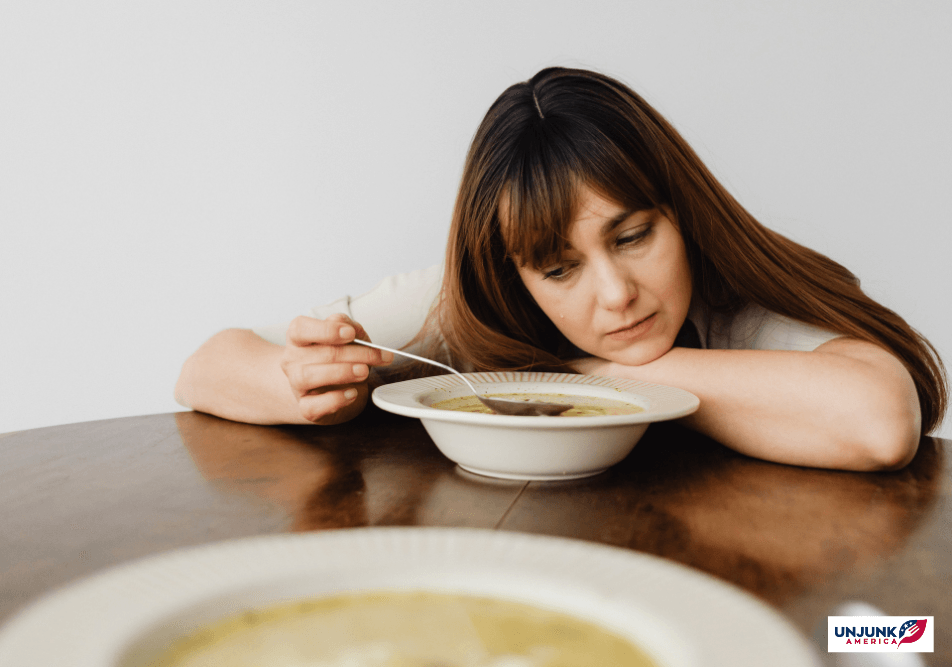
This is the cost most parents don’t talk about enough.
Highly processed convenience foods often:
Leave us hungry again quickly
Spike blood sugar and energy, then crash it
Lead to more snacking and grazing
When meals don’t keep us full, we end up:
Eating more frequently
Feeling tired and irritable
Reaching for more convenience later
It becomes a cycle, not because of willpower, but because of how these foods are designed.
Convenience can save time in the moment, but it often costs us energy later.
The Health Cost (Not About Weight)

This isn’t about calories or body size.
It’s about what happens when ultra-processed foods become the default rather than the exception.
Over time, diets heavy in convenience foods can impact:
Gut health
Blood sugar regulation
Heart health
Focus and mood (for kids and adults)
Again, this doesn’t mean never using convenience foods. It means being aware of how often they’re doing the heavy lifting.
The Skill Cost (The One No One Mentions)
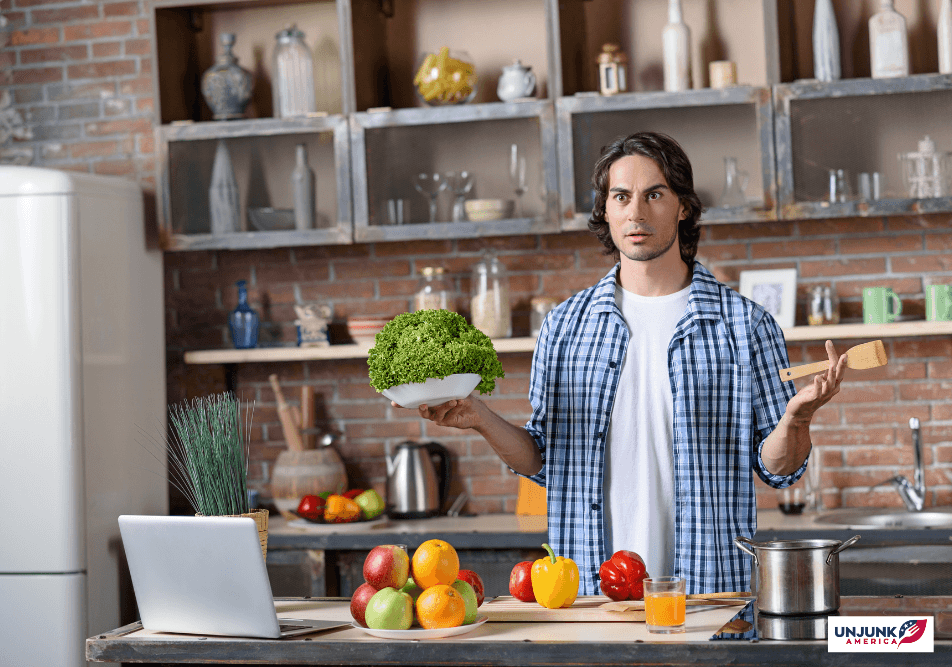
When convenience becomes the norm, something else slowly fades: confidence in the kitchen.
Many parents tell me:
“I don’t really know how to cook anymore.”
“I don’t know what to make without a recipe.”
“I feel stuck relying on packaged foods.”
That loss of confidence has a cost too, because cooking, even simply, gives families flexibility, control, and options.
And kids learn from what they see.
When meals mostly come from packages, kids miss out on learning:
What real food looks like
How meals come together
That cooking doesn’t have to be complicated
Convenience vs. Helpful Shortcuts (There’s a Difference)
Not all convenience is the same.
There’s a big difference between:
Ultra-processed foods designed to replace meals
andShortcuts that support home cooking
Helpful shortcuts include:
Frozen vegetables
Rotisserie chicken
Canned beans
Pre-washed greens
These save time without sacrificing nourishment.
The goal isn’t to remove convenience, it’s to choose better forms of it.
A Simple Reframe for Busy Families
Instead of asking:
“How fast can I make this?”
Try asking:
“Will this keep us full and feeling good?”
Sometimes convenience is the right choice.
Other times, a simple meal at home is actually the easier option in the long run.
Awareness changes everything.
What This Means for Real Life
You don’t need to overhaul your kitchen.
You don’t need to cook from scratch every night.
You don’t need to swear off convenience foods forever.
You just need to start noticing:
How often convenience is filling the gaps
What it’s costing you in energy, money, and confidence
Where small shifts could make things feel easier over time
That’s what unjunking really means, not restriction, but intentional choice.
And for busy families, that awareness alone is powerful.
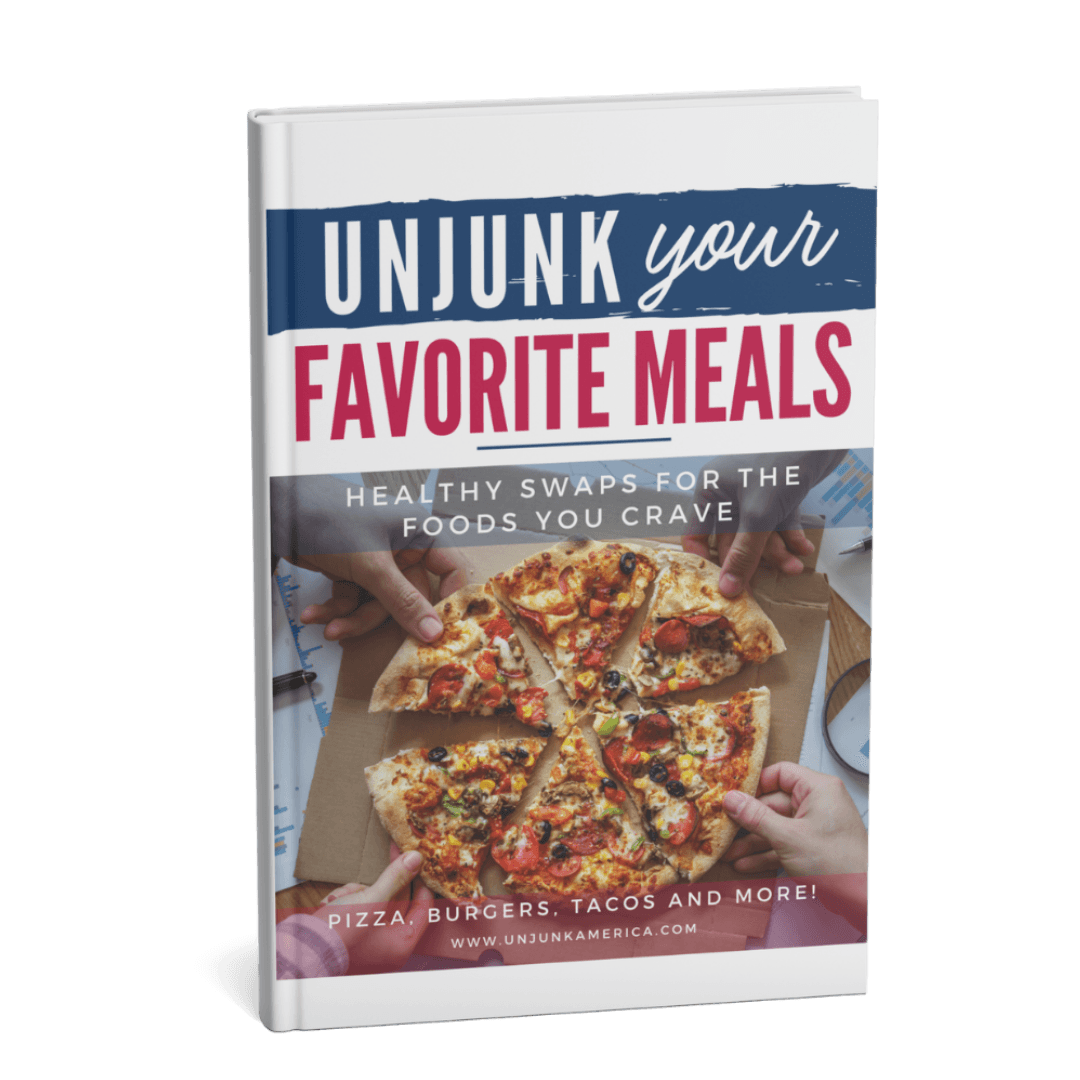
If this post resonates and you’re looking for simple ways to rely less on ultra-processed meals, you might love Unjunk Your Favorite Meals.
It’s a free guide with realistic, family-friendly swaps for meals you’re probably already making, designed to help busy parents build confidence in the kitchen without adding pressure.
You can download it and keep it handy for nights when convenience feels tempting but you want an easier home option.

Michelle Walker
a mom, health educator, and the founder of Unjunk America - a movement dedicated to helping families ditch processed foods, decode food labels, and reconnect with real food. With a warm, no-judgment approach, Michelle empowers parents to make simple, sustainable changes in their kitchens, one meal at a time.
Learn more or join the movement at UnjunkAmerica.com.

