
“Healthy” Foods I Stopped Buying (And What I Choose Instead)
There was a time when I walked through the grocery store feeling pretty confident about what I was putting in my cart.
I wasn’t buying obvious junk. I chose the yogurt with fruit on the label, the granola bars that said “whole grain,” the veggie chips in the green bag, and the cereal stamped with “high protein.”
I genuinely believed I was doing a good job.
And the truth is, I was trying. Like so many moms, I was busy. Between practices, late nights, early mornings, and work, I just wanted quick options that felt healthy enough.
But over time, I started flipping the package over instead of just reading the front.
I started noticing ingredient lists.
I started paying attention to energy crashes.
To constant snacking.
To that “why is everyone still hungry?” feeling.
And slowly, without a dramatic pantry purge, my grocery cart began to change.
Here are a few of the “healthy” foods I don’t buy regularly anymore, and what we do instead.
1. Flavored Yogurt
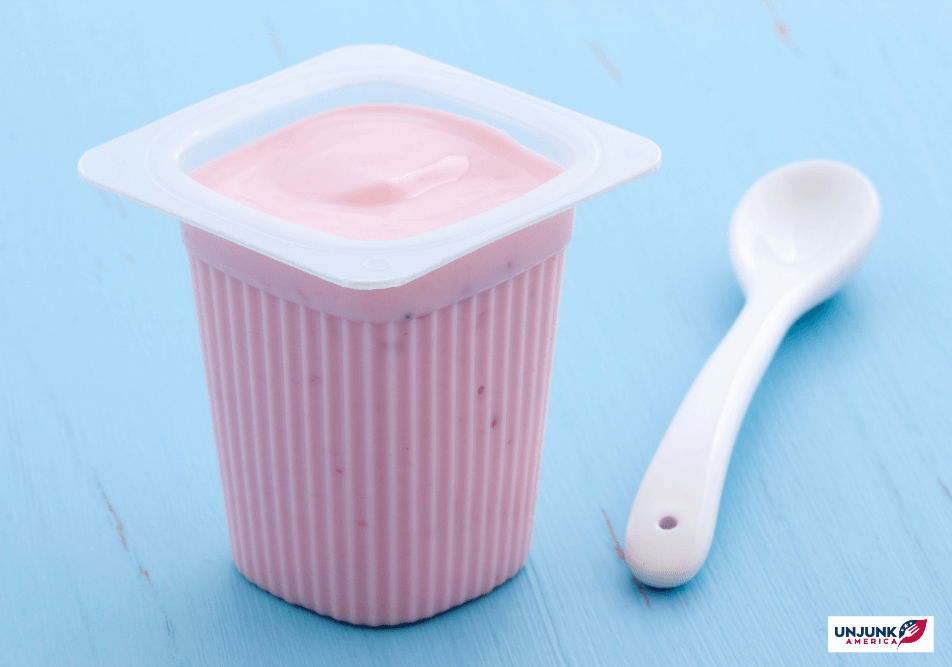
Flavored yogurt felt like the perfect snack. It had calcium, protein, and fruit on the label.
But when I started checking sugar content, I realized many single-serve cups had 18–22 grams of added sugar.
The yogurt wasn’t the issue.
The syrups and sweeteners were.
What I buy instead:
Plain Greek yogurt
Fresh or frozen berries
A drizzle of honey (if needed)
Cinnamon or chia seeds
It took time for our taste buds to adjust. Now it tastes normal — and we control the sweetness.
2. Granola Bars
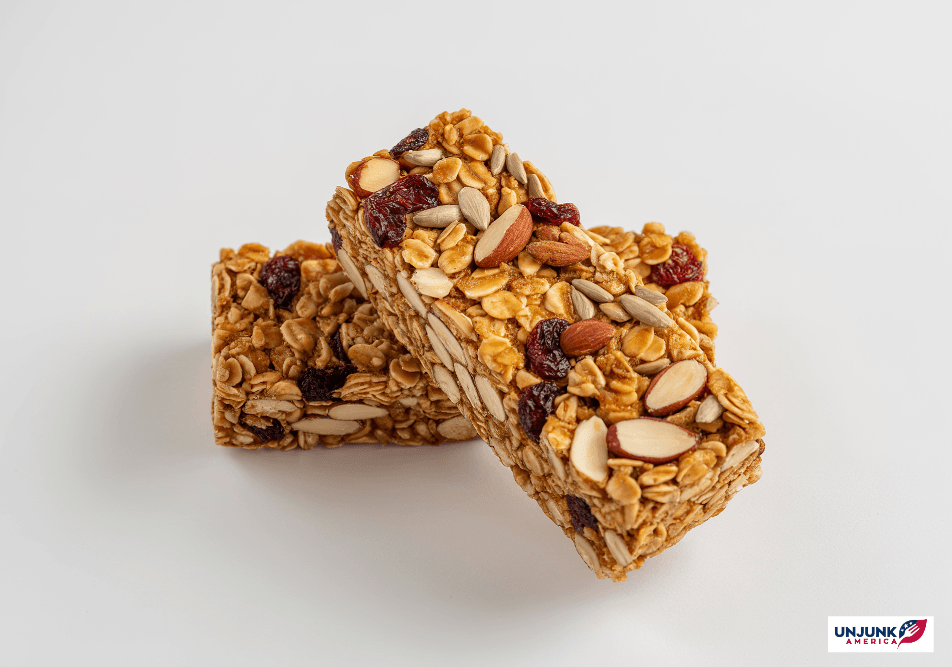
Granola bars used to go into every lunch bag. Convenient. Portable. Marketed as wholesome.
But most are refined grains and syrups pressed into a rectangle.
They’re not evil. They’re just not as nourishing as they appear.
What we choose instead:
Homemade banana bread or muffins
A handful of nuts and fruit
Homemade energy bites
Still convenient. Just less engineered.
3. Veggie Chips & Veggie Straws
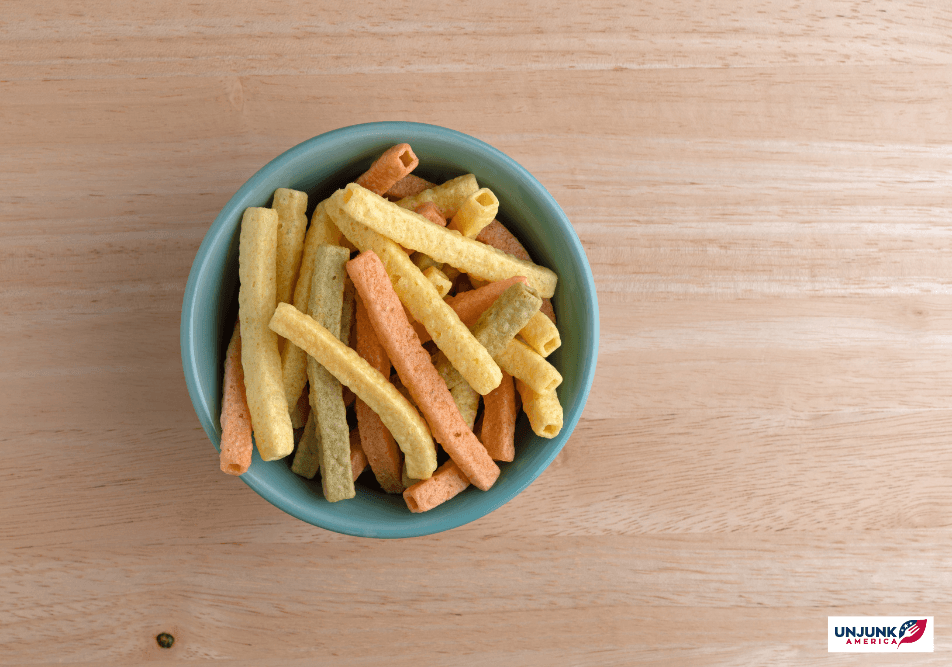
The green packaging makes them feel like vegetables.
But most are refined starches mixed with vegetable powders and fried in oil.
They aren’t vegetables, they’re chips with better marketing.
And here was the shift for me:
If we’re having chips, we just call them chips. No pretending.
What we choose more often:
Air-popped popcorn
Roasted chickpeas
Real potatoes roasted at home
4. Sports Drinks (For Everyday Practices)
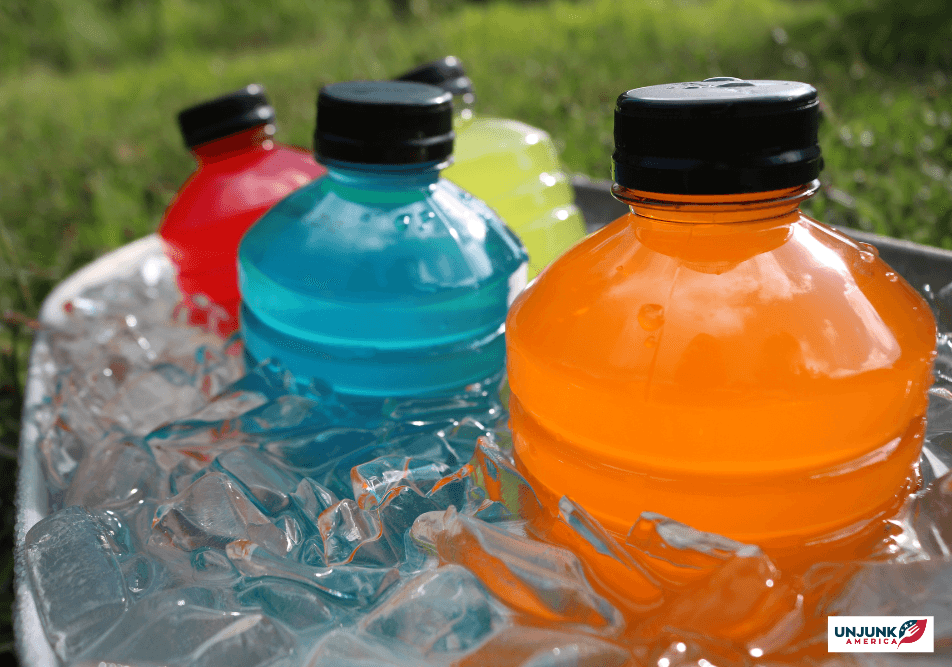
With busy sports seasons, it’s easy to assume kids need bright bottles of electrolytes.
But unless they’re training intensely for long periods in heat, most kids simply need water.
Many sports drinks contain:
Added sugars
Artificial colors
Flavor enhancers
What we use instead:
Water (normalized and expected)
Milk post-game
Occasionally coconut water during long tournaments
Now it’s intentional, not automatic.
5. “Protein” Cereals
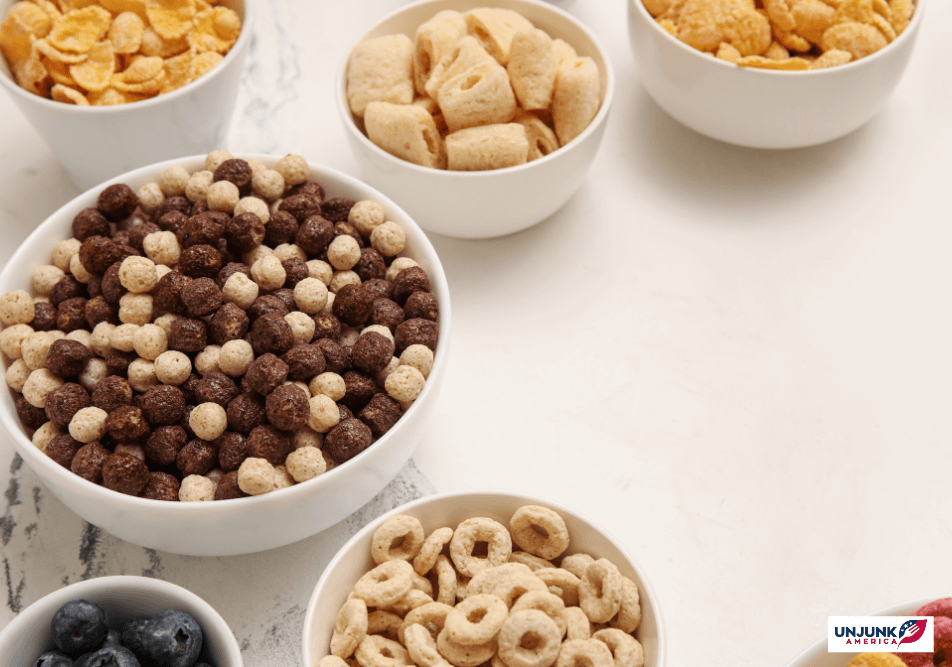
I used to feel good about cereals labeled high-protein or whole grain.
But many were still highly processed with refined flour and added sugars, just with protein powder added in.
That’s not necessarily better. It’s just re-engineered.
Breakfast in our house looks more like:
Oats
Eggs and toast
Greek yogurt bowls
Sourdough with natural peanut butter
Simple. Balanced. Filling.
6. Low-Fat Everything
Many of us grew up in the low-fat era. Low-fat meant healthier.
But when fat is removed, something usually replaces it, often sugar or additives.
Fat isn’t the enemy. In appropriate amounts, it supports:
Fullness
Blood sugar balance
Hormone health
Now I buy:
2% dairy
Real olive oil
Real butter
Not in excess. Just without fear.
What Actually Changed
None of this happened overnight.
I didn’t wake up and clear out my pantry. There are still convenience foods in my house. There are still busy nights.
But there is more awareness.
I realized the food industry is incredibly skilled at creating products that feel healthy. The packaging is persuasive. The buzzwords are comforting. The health halo is powerful, especially for busy moms who just want to do the right thing.
And once you see it, you can’t unsee it.
Unjunking isn’t about perfection.
It’s about flipping the box over.
It’s about asking better questions.
It’s about upgrading one category at a time.
If you’re just starting, don’t overhaul your entire kitchen. Pick one area:
Breakfast
Beverages
Snacks
Lunchbox items
Start there. Let your family adjust. Let your taste buds recalibrate.
Real change doesn’t come from extremes. It comes from small, steady, informed choices.
That’s how my grocery cart changed.
And that’s how unjunking begins, not with fear, but with awareness.
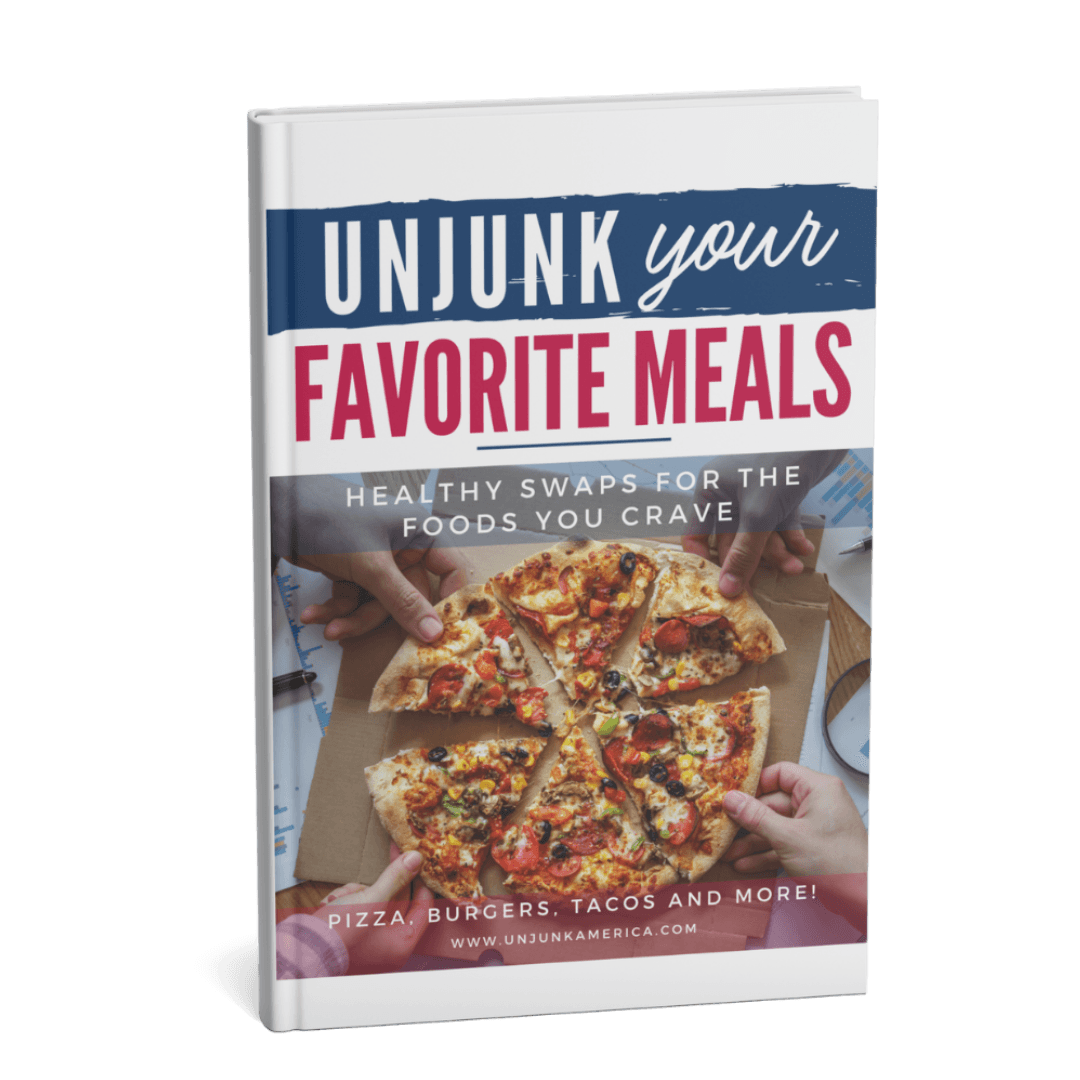
If you’re ready to start making simple swaps without overhauling your entire pantry, you’ll love Unjunk Your Favorite Meals.
It’s a free guide that walks you through realistic upgrades to meals you’re already making, so you can build confidence without adding pressure.
It pairs perfectly with this approach: small, steady changes that add up over time.

Michelle Walker
a mom, health educator, and the founder of Unjunk America - a movement dedicated to helping families ditch processed foods, decode food labels, and reconnect with real food. With a warm, no-judgment approach, Michelle empowers parents to make simple, sustainable changes in their kitchens, one meal at a time.
Learn more or join the movement at UnjunkAmerica.com.

