
The Candy Conundrum: How to Handle the Halloween Haul Without the Guilt
If you’re a health-conscious parent, Halloween can feel a little… complicated.
You want your kids to have fun, make memories, and experience the magic of trick-or-treating, but when they come home with pillowcases full of candy, the sugar shock can be real.
I get it. I’ve been there - standing in the kitchen, looking at what feels like a year’s worth of sugar, and wondering how to handle it without being the “mean mom” who takes it all away.
The good news? You don’t have to choose between fun and health. You can teach balance in a way that lets your kids enjoy Halloween and learn lifelong habits around food.
Here’s how to do it:
1. Let Them Enjoy It - Without the Guilt
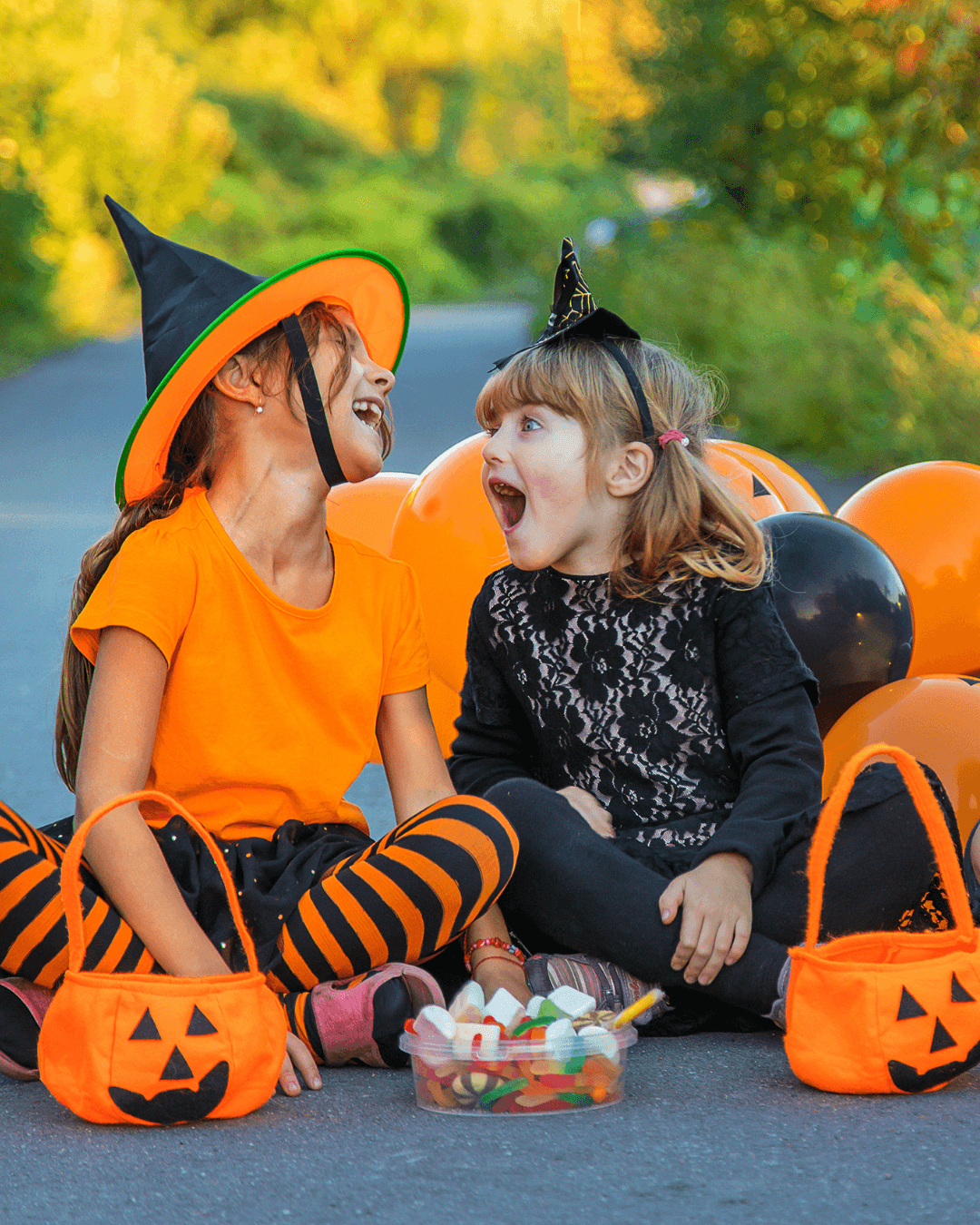
On Halloween night, the excitement is high. Kids have been talking about costumes, friends, and candy for weeks, and the last thing we want is to turn candy into a forbidden fruit.
Let them enjoy a few pieces (or even several) that first night without rules. It’s part of the experience!
Restriction only makes sweets more desirable, so this is your chance to model calm, neutral energy around treats.
After all, when kids learn that candy isn’t a big deal, they eventually stop obsessing over it.
2. Have a “Candy Plan” Ready
Once the excitement fades, that’s when you step in with gentle structure.
Here are a few ideas that work for different families:
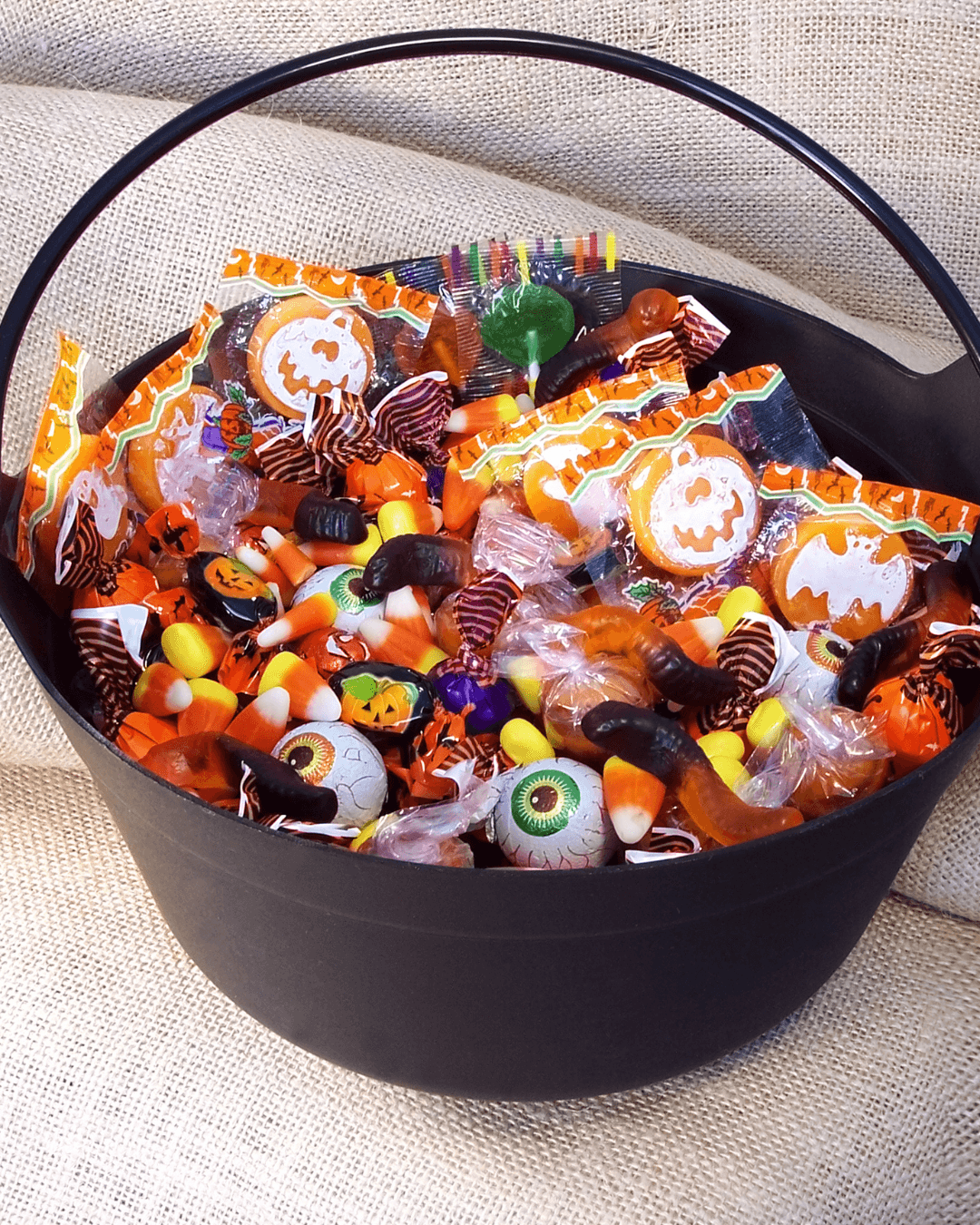
The Candy Bowl Rule: Each day, your child can choose one or two pieces after dinner. Keeping candy with meals helps regulate blood sugar and reduces grazing.
The Swap Shop: Let them “trade” extra candy for something else — a small toy, a book, or a fun experience like a movie night.
Donate the Rest: Many dentists and community centers have candy buy-back or donation programs. It’s a great way to teach giving back.
This helps them practice choice and moderation, while still feeling like they have some control.
3. Balance It With Real Food
The key to surviving “sugar season” is balance, not elimination.
On Halloween (and the days after), focus on:
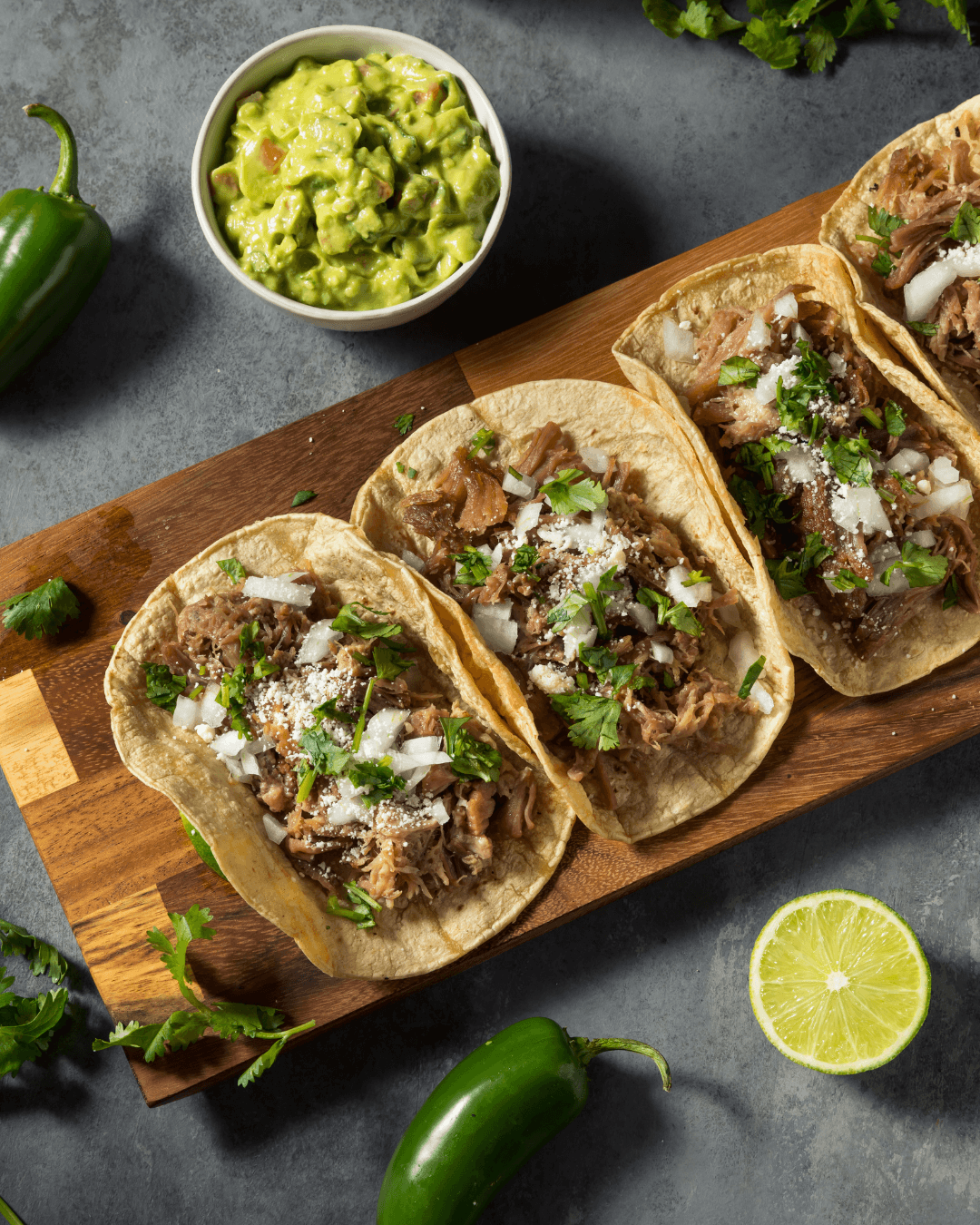
Protein-rich dinners before trick-or-treating (think chili, tacos, or power bowls).
Hydration - sugar makes kids extra thirsty, so encourage water before and after.
Breakfasts with fiber + fat the next morning (like oats with nut butter and fruit).
Balanced meals keep their energy and mood steady, and help offset that sugar rollercoaster.
4. Turn It Into a Learning Moment
Halloween is actually the perfect time to teach kids about listening to their bodies.
After candy night, ask gentle questions like:
“How does your tummy feel?”
“Did you notice what happens when we eat a lot of sugar?”
These open-ended questions help kids make connections without shame. You’re building food awareness, not fear.

5. Keep Perspective
Remember: one night (or even one week) of candy isn’t going to derail your child’s health.
What matters most is what they eat the other 360 days of the year.
You’re teaching habits, trust, and balance, and that’s something far sweeter than any piece of candy.

Need Healthier Treat Ideas Too?
If you want fun, real-food ideas to balance out the candy chaos, check out my Unjunked Halloween Snack Recipes, full of spooky, creative snacks kids love and parents feel good about.
Because Halloween can be fun, memorable, and a little more nourishing, no guilt required.
👉 Download your free Unjunked Halloween Snack Recipes and make this Halloween one your whole family will love - treats, balance, and all!

Michelle Walker
a mom, former educator, and the founder of Unjunk America - a movement dedicated to helping families ditch processed foods, decode food labels, and reconnect with real food. With a warm, no-judgment approach, Michelle empowers parents to make simple, sustainable changes in their kitchens, one meal at a time.
Learn more or join the movement at UnjunkAmerica.com.

